 Famalicão Hub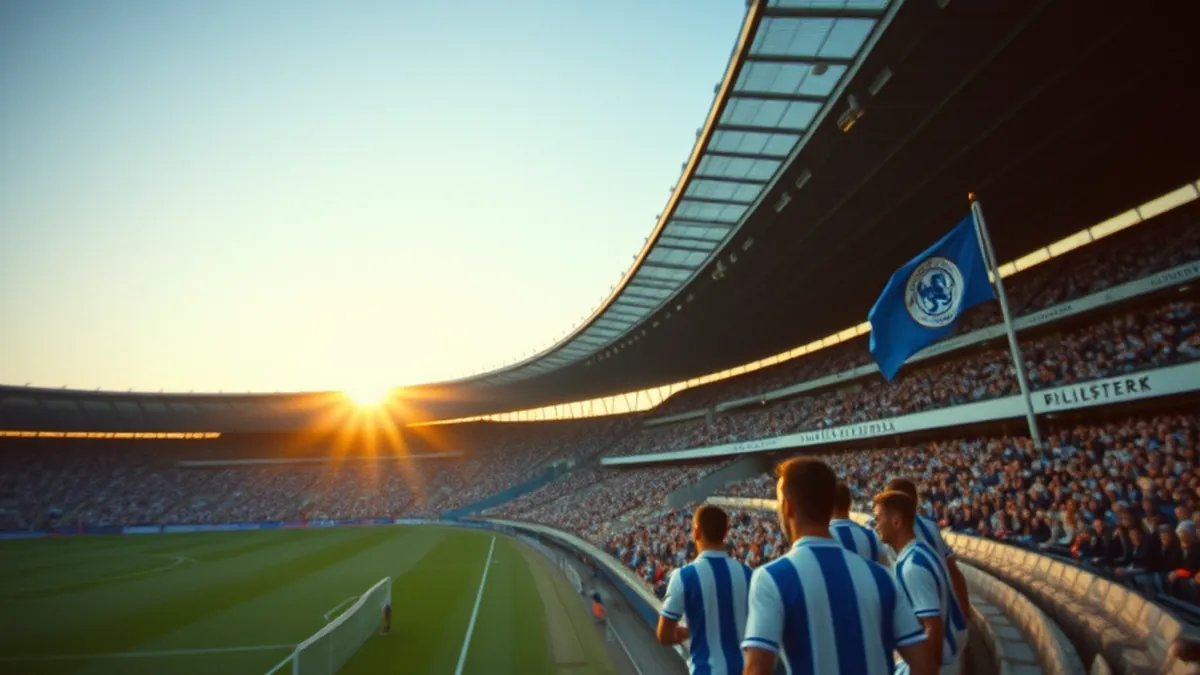
The Carnation Revolution, which took place on April 25, 1974, brought a wave of changes that impacted all aspects of life in Portugal, including sports. Futebol Clube Famalicão, known for its resilience and passion, was not immune to these transformations. With the end of the authoritarian Estado Novo regime, the club found new freedom to restructure and connect with a broader fan base.
In the 1970s, Famalicão was undergoing a transitional period. The local community, influenced by the revolutionary spirit, began to see football as a way to express their identity and their struggle for change. The Municipal Stadium of Famalicão became a space not just for matches, but also as a symbol of hope and renewal. Fans, passionate and determined, united to support their team, creating a vibrant atmosphere that reflected the climate of change off the field.
The new era also brought the need for adaptation. The club started investing more in the development of young talents, realizing that this would be the path to ensure a sustainable future. The fan base grew, and the connection between the club and the city became stronger. With newfound freedom, Famalicão began to have the opportunity to compete with larger clubs, not only at the local level but also in the second division of Portuguese football.
One of the notable moments of this period was the rise of local players who, inspired by the revolution, brought a new spirit and determination to the pitch. Victories began to emerge, and Famalicão quickly became a force to be reckoned with. During this time, the club saw a significant increase in fan support, who not only cheered in victories but also united in defeats, solidifying their passion and loyalty to the team.
Thus, the Carnation Revolution not only altered the course of politics in Portugal but also had a profound impact on Futebol Clube Famalicão. The club, seizing the wave of social changes, began to forge an identity that still resonates among fans today. This period of transformation remains a key moment in Famalicão's history, a testament to the power of football as a reflection of society.
In summary, as flowers colored the streets of Portugal, Famalicão flourished in a new chapter where the love for football intertwined with the fight for a better future. The Revolution of 1974 not only changed the fate of a nation but also helped shape the history of a club that continues to be a vital part of the identity of Vila Nova de Famalicão.